
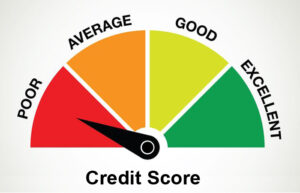
A credit score plays an important role in your financial life. It helps lenders understand how responsibly you manage borrowed money and whether you are likely to repay loans on time. Whether you are applying for a credit card, personal loan, auto loan, or mortgage, your credit score can influence the interest rates and terms you receive. Understanding the lowest possible score can help you recognize where you stand and what steps you can take to improve your credit profile.
In the United States, the lowest credit score you can generally have under the widely used FICO and VantageScore models is 300. These scoring systems typically use a range from 300 to 850. A score of 300 is considered extremely poor and indicates that a person may have a significant history of missed payments, defaults, collections, or other negative credit information.
However, having a low credit score does not mean your financial situation cannot improve. With consistent payments, responsible credit use, and time, you can gradually rebuild your credit history.
Understanding the Lowest Possible Credit Score
The lowest standard credit score in the United States is 300. Both FICO and VantageScore commonly use a range that begins at 300, although their scoring formulas and individual score categories can differ.
A score near 300 usually suggests that lenders may consider an applicant a higher lending risk. This can make it harder to qualify for traditional credit products or receive competitive interest rates.
It is important to understand that not everyone has a credit score. People with limited credit histories may have no score because there is not enough information in their credit reports to calculate one. This is different from having a score of 300.
Why 300 Is the Lowest Standard Score
Credit scoring models evaluate information in your credit report and convert it into a numerical score. The standard range starts at 300 because the models are designed to measure credit risk within a defined scoring system.
A person does not automatically receive a score of 300 after missing one payment. Scores depend on several factors, including the number of negative accounts, payment history, outstanding balances, and the age of credit information.
Credit Score Ranges Explained
Knowing where your credit score falls can help you understand how lenders may view your financial profile. FICO uses several categories to describe different score ranges.
| FICO Score Range | Credit Category |
|---|---|
| 300–579 | Poor |
| 580–669 | Fair |
| 670–739 | Good |
| 740–799 | Very Good |
| 800–850 | Exceptional |
A score between 300 and 579 is generally considered poor under the FICO scoring system. People in this category may face more difficulty getting approved for loans and credit cards.
A fair score offers more opportunities than a poor score, although borrowing costs may still be relatively high. Good and very good scores can help borrowers qualify for more competitive financial products, while exceptional scores generally demonstrate a strong history of credit management.
These categories are specific to FICO. Other scoring models may use different ranges or labels.
What Can Cause Your Credit Score to Reach 300?
A credit score can fall significantly when negative information appears in your credit report. Several financial behaviors can contribute to a very low score.
Missed or Late Payments
Payment history is one of the most important factors in FICO scores. If you repeatedly miss credit card payments, loan installments, or other reported obligations, your score may decline.
A payment reported as 30, 60, or 90 days late can create different levels of damage. More serious delinquencies may have a greater impact, especially when combined with other negative information.
Accounts Sent to Collections
When an unpaid debt is transferred or sold to a collection agency, it may appear on your credit report. Collection accounts can make lenders more cautious because they suggest that previous financial obligations were not paid as agreed.
The impact depends on the scoring model, the type of debt, and the information reported.
Defaulting on Loans
Failing to repay a personal loan, auto loan, or other credit obligation can lead to a default. This negative information may remain on your credit report for several years and make future borrowing more difficult.
High Credit Card Utilization
Credit utilization measures how much of your available revolving credit you are using. For example, if your credit card limit is $5,000 and your outstanding balance is $4,500, your utilization is 90%.
High utilization can negatively affect your credit score. Keeping balances low relative to your credit limits is generally better for your credit profile.
Bankruptcy and Other Serious Negative Events
Bankruptcy can have a significant effect on credit scores. Foreclosures, repossessions, and other serious negative events may also damage your credit history.
The length of time these items remain on a credit report depends on the type of information and applicable reporting rules.
Can You Get Approved for a Loan With a 300 Credit Score?
Getting approved for a traditional loan with a 300 credit score can be difficult, but it is not always impossible. Lenders consider more than just a credit score when reviewing applications.
They may evaluate your income, employment history, existing debt, repayment ability, and other financial information.
Personal Loans
Many traditional personal loan providers prefer applicants with stronger credit profiles. With a score near 300, you may face rejection or receive offers with high interest rates and fees.
Some lenders consider applicants with poor credit, but you should carefully review the total borrowing cost before accepting an offer.
Auto Loans
Some specialized auto lenders work with borrowers who have poor credit. However, a low score may lead to a higher interest rate, larger down payment, or stricter repayment conditions.
Comparing multiple offers can help you avoid unnecessarily expensive financing.
Mortgage Loans
Qualifying for a mortgage with a 300 credit score is generally very challenging. Some government-backed mortgage programs allow lower credit scores than conventional loans, but they still have eligibility requirements.
Lenders may also consider your income, debt-to-income ratio, down payment, and overall financial stability.
Credit Cards
Traditional unsecured credit cards can be difficult to obtain with extremely poor credit. A secured credit card may be a more realistic starting point because it requires a refundable security deposit that typically determines your credit limit.
Before applying, check the issuer’s eligibility requirements, fees, and credit-reporting policies.
How to Improve a Credit Score Starting at 300
Rebuilding a poor credit score takes patience, but a consistent financial routine can help you make progress. You do not need to fix everything immediately. Focus on the actions that can improve your credit profile over time.
1. Review Your Credit Reports
Start by checking your credit reports from Equifax, Experian, and TransUnion. Look for incorrect personal information, unfamiliar accounts, inaccurate balances, and payments incorrectly reported as late.
If you find an error, dispute it with the relevant credit bureau and provide supporting documents where available. Correcting inaccurate information may help improve your credit profile.
2. Pay Every Bill on Time
Make timely payments a priority. Set up automatic payments or calendar reminders so you do not miss due dates.
If you cannot afford the full balance on a credit card, paying at least the required minimum by the due date can help you avoid a reported late payment. However, carrying a balance may lead to interest charges.
3. Reduce Outstanding Credit Card Balances
High credit utilization can hold back your score. Try to reduce your outstanding balances and avoid using most of your available credit.
A utilization ratio below 30% is a commonly recommended target, while lower utilization may be even better for scoring purposes.
4. Avoid Applying for Too Much Credit
Submitting several credit applications within a short period can result in multiple hard inquiries. These inquiries may affect your score and make lenders question whether you are taking on too much debt.
Apply only for financial products that match your current credit situation.
5. Consider a Secured Credit Card
A secured credit card can help establish positive payment history when the issuer reports account activity to the major credit bureaus.
Use the card for small purchases and pay the bill on time. Avoid spending more simply because credit is available.
6. Keep Older Accounts Open When Practical
The length of your credit history can influence your credit score. Closing older accounts may affect your available credit and, depending on the scoring model and circumstances, your credit profile.
Consider keeping older accounts open if they have no unnecessary fees and you can manage them responsibly.
7. Give Your Credit History Time to Recover
Negative information does not disappear immediately after you begin making better financial decisions. Most negative information can remain on credit reports for a limited period under federal reporting rules, although some types of information have different reporting periods.
As positive payment activity builds and outstanding balances decrease, your credit profile may gradually become stronger.
How Long Does It Take to Improve a 300 Credit Score?
There is no fixed timeline for improving a credit score from 300. The time required depends on why the score is low, how many negative items appear on your credit reports, and how consistently you manage your accounts.
Some people may see changes within a few months after reducing credit card balances or correcting reporting errors. Others may need several years to rebuild their credit after serious delinquencies, defaults, or bankruptcy.
Creditors generally report account information periodically, so improvements may not appear immediately. Checking your credit reports and monitoring score changes can help you understand whether your efforts are working.
The most important thing is to avoid expecting an overnight transformation. Consistent financial habits are more valuable than quick fixes.
Does a 300 Credit Score Mean You Cannot Get Credit?
No. A 300 credit score does not permanently prevent you from accessing credit. It simply means that many lenders may consider you a higher-risk applicant.
You may still find financial products designed for people with limited or damaged credit histories. Secured credit cards, certain credit-builder loans, and specialized lenders may offer possible starting points.
However, be careful with companies promising guaranteed approval or instant credit score improvements. Some products carry expensive fees, and certain services may not provide the benefits they advertise.
Before accepting any credit offer, understand the interest rate, repayment terms, fees, and whether the provider reports payments to the major credit bureaus.
Conclusion
The lowest standard credit score you can generally have in the United States is 300 under commonly used FICO and VantageScore models. A score at this level indicates significant credit challenges and can make borrowing more expensive or difficult. However, it does not mean your financial future is permanently damaged. Reviewing your credit reports, correcting errors, paying bills on time, reducing credit card balances, and avoiding unnecessary applications can help you rebuild your credit profile. Progress may take time, but responsible financial habits can gradually create better opportunities for loans, credit cards, and other financial products.
Frequently Asked Questions
1. What is the lowest credit score possible in the United States?
The lowest standard credit score under commonly used FICO and VantageScore models is 300. It generally falls into the poor credit category.
2. Is a 300 credit score worse than a 500 credit score?
Yes. A 300 score is lower than a 500 score and generally indicates greater credit risk. Both scores fall within the poor FICO category.
3. Can your credit score go below 300?
Under standard FICO and VantageScore models that use a 300–850 range, a calculated score cannot fall below 300. Other scoring systems may use different ranges.
4. How can I rebuild a credit score of 300?
Start by checking your credit reports, disputing inaccurate information, paying bills on time, reducing credit card balances, and using credit responsibly. Consistency is essential.
5. How long does it take to recover from a 300 credit score?
There is no universal timeline. Some improvements may appear within a few months, while recovering from serious negative credit events may take several years. Your results depend on your credit history and financial habits.
READ MORE : What Is the Max Credit Score? Understanding the Highest Possible Credit Rating
One thought on “What Is the Lowest Credit Score You Can Have?”